 Vitor
VitorThe Complete Athens Travel Guide
A quick note before we dive in: Athens surprises people. Yes, it has the Acropolis, but the real magic is the layered city around it: cafés in former mansions, rooftop bars with temple views, ouzo-soaked tavernas in the backstreets, and some of the best, cheapest street food in Europe. This guide is the local-knowledge layer that turns a one-day Acropolis stopover into a city you fall for.
Below you'll find where to stay, the best restaurants by neighbourhood, our must-see sights + hidden gems, plus everything on transport, money, language and free things to do.
Why Visit Athens
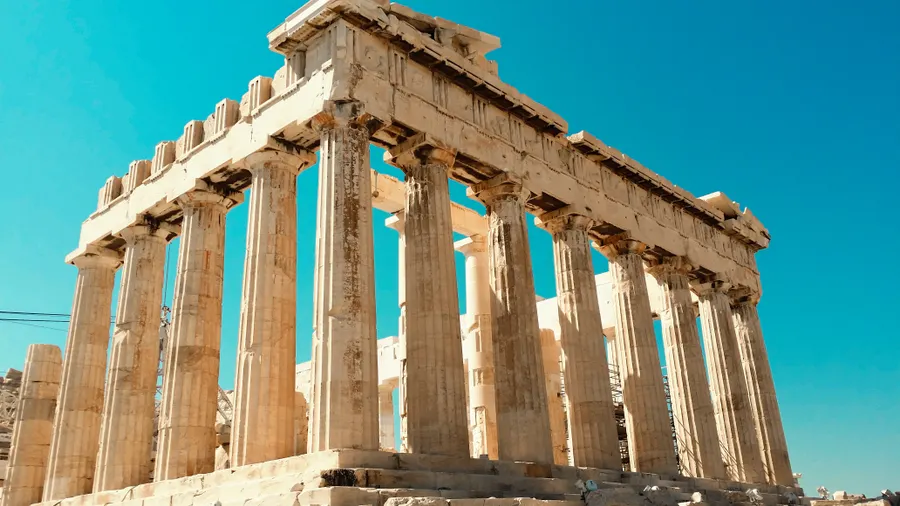
Athens is where Western democracy, philosophy and theatre were born, and you can still walk through it: the Parthenon on its sacred rock, the Ancient Agora where Socrates argued, the marble stadium of the first modern Olympics. But it's no museum-piece: it's a warm, loud, late-night Mediterranean capital with a brilliant food scene, neighbourhood squares, and the sea (and islands) just a tram ride away.
Best Time to Visit Athens
Spring (April–June) and autumn (September–October) are ideal: warm, clear, and comfortable for climbing the Acropolis. July–August is very hot (35°C+) and busy, though many locals decamp to the islands. Winter is mild, cheap and quiet, with blue-sky days perfect for sightseeing.
How Many Days in Athens
2 days: Acropolis + Acropolis Museum, Ancient Agora, Plaka & Monastiraki, a sunset on a rooftop or Lycabettus. 3–4 days (recommended): add the National Archaeological Museum, the Temple of Olympian Zeus, the Panathenaic Stadium, neighbourhood food, and a day trip (Cape Sounion or a one-day island hop). 5+ days: Delphi, Nafplio, or two-three islands.
Where to Stay in Athens (Best Neighbourhoods)
Plaka: old-town charm under the Acropolis; pretty but touristy. Monastiraki / Psyrri: central, lively, great nightlife and street food. Koukaki: local, walkable to the Acropolis Museum, full of good cafés. Syntagma: best transport links (metro to airport). Kolonaki: upscale, designer shops, smart restaurants.