 Vitor
VitorLe Guide Complet de Budapest
Buda et Pest furent deux villes distinctes jusqu'en 1873, et elles se comportent encore ainsi. Buda est le côté vallonné, plus calme, celui du château. Pest est plat, animé et c'est là que vous passerez vraiment vos soirées. Tout sur cette page est choisi en gardant cette division à l'esprit, du bain thermal qui vaut le prix d'entrée au ruin bar qui est bien plus qu'une étape d'enterrement de vie de garçon.
Comment utiliser ce guide : les onglets en haut vous font passer des itinéraires aux lieux à voir, restaurants, hôtels, expériences et excursions à la journée. Sur chaque onglet, ouvrez la carte pour voir bien plus clairement où se situe chaque chose et comment Budapest fonctionne de part et d'autre du Danube, Buda sur une rive et Pest sur l'autre. Sur votre téléphone, touchez Télécharger l'appli (ou ajoutez cette page à l'écran d'accueil) pour avoir tout le guide à portée de doigt. Peu de temps ? Filez directement aux ⚡ Infos Pratiques ci-dessous.
À propos de Budapest : tout ce qu'il faut savoir avant de partir
Ce guide complet de voyage à Budapest couvre les déplacements en métro, en tram et à pied, le forfait de transport le moins cher, les transferts aéroport, quels bains thermaux valent le détour, les ruin bars où les habitants boivent encore, les croisières sur le Danube et les astuces pour économiser que la plupart des primo-visiteurs découvrent trop tard. Que vous veniez pour le Széchenyi, une soirée dans le quartier juif ou trois jours entre Buda et Pest, mettez cette page en favori avant de réserver votre vol.
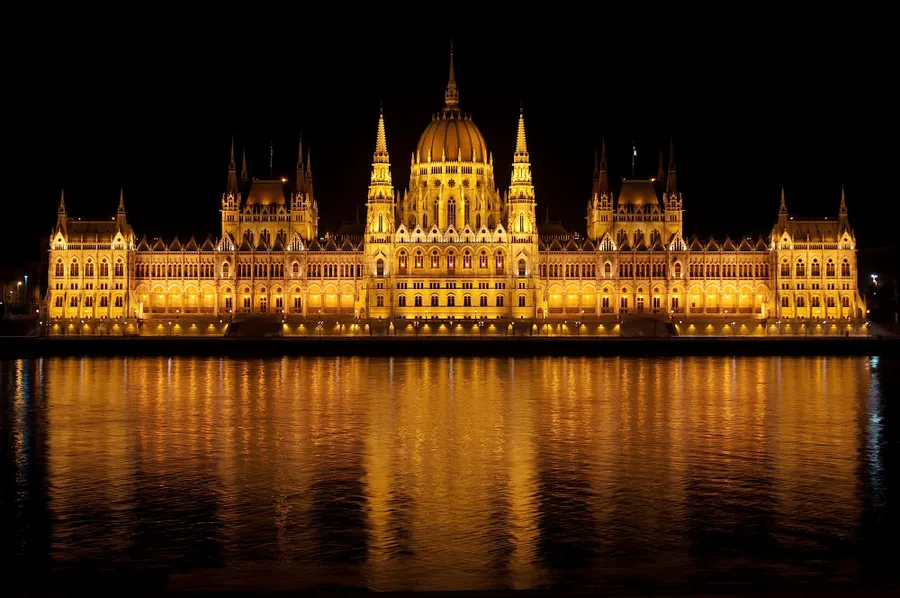
Budapest est la capitale de la Hongrie, peuplée d'environ 1,7 million d'habitants, et repose sur plus de 120 sources chaudes naturelles, ce qui fait du bain ici une habitude citadine plutôt qu'une gâterie de spa. Le Danube coupe la ville en deux : Buda grimpe les collines de la rive ouest, avec le château et les vieilles rues, tandis que Pest s'étend à plat vers l'est, avec le parlement, les grands boulevards et la majeure partie de la vie nocturne. Les deux moitiés furent des villes distinctes jusqu'à leur fusion en 1873.
Que vous ayez un long week-end ou une semaine entière, les sections ci-dessous expliquent comment se déplacer, où loger de chaque côté du fleuve, où manger au-delà des axes touristiques et comment organiser vos journées pour que les bains, les panoramas et les ruin bars trouvent tous leur place.