 Vitor
VitorThe Complete Madrid Travel Guide
A quick note before we dive in: Madrid is the easiest big European capital to fall in love with, and the easiest to do wrong if you treat it like Paris or Rome. The city eats lunch at 14:30 and dinner at 21:30, the best museums are free at very specific hours, and the locals will judge you (kindly) for ordering paella at midnight. This guide is the local-knowledge layer that separates a smooth trip from a great one.
This page is your complete starting point for planning a trip to Madrid. Below you'll find where to stay, the best restaurants by neighborhood, our must-see places + hidden gems, plus everything you need on transport, money, language and free things to do. Use it like you would advice from a friend who actually lives here.
Why Visit Madrid
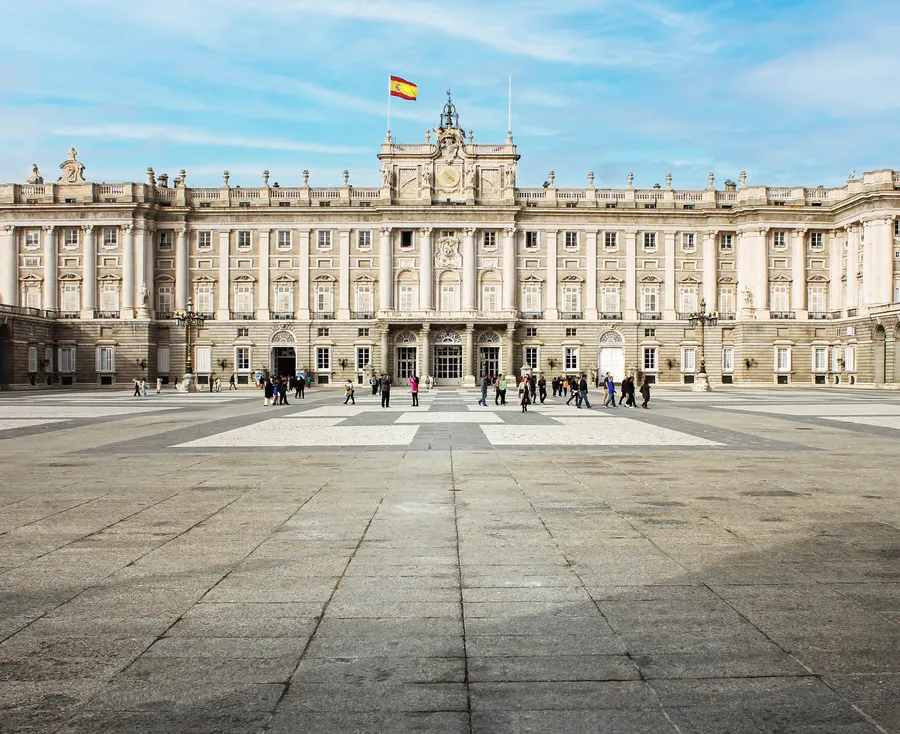
Madrid is the rare big European capital that still feels like a real city, not a museum. It's home to the world's most important Spanish Golden Age painting collection (the Prado), Picasso's «Guernica» (the Reina Sofía), the 3,418-room Royal Palace, the 125-hectare UNESCO-listed Retiro park: all within a 15-minute walk of each other.
Beyond the headline sights, Madrid is the world's tapas capital, the home of flamenco's most respected tablaos, and the only major city where locals routinely meet for dinner at 22:00 on a Tuesday. The vibe is warm, loud, unhurried, and deeply social: Madrileños live half their lives on café terraces. If you only know Spain through Barcelona, Madrid will surprise you with how Spanish it feels.
Best Time to Visit Madrid
Spring (April–June) is the sweet spot: mild temperatures (18–25°C), the Rosaleda roses in full bloom mid-May to mid-June, terraces in full swing, no summer heatwaves yet. Autumn (September–early November) is its mirror: warm days, cooler nights, post-summer crowds gone, the famous golden light hitting the Plaza Mayor stonework.
Avoid July–August if you can: Madrid is the hottest major capital in Europe (regular 38–40°C / 100–104°F), and many locals leave for the coast in August (some restaurants close for the month). Winter (December–February) is underrated: clear blue skies, cold but dry (5–12°C), Christmas-light displays, and 30–40% lower hotel prices.
How Many Days in Madrid
2 days: Royal Palace + Almudena Cathedral, Plaza Mayor + Sol, Prado, Retiro Park, tapas in La Latina. Hits all the essentials but rushed.
3–4 days (recommended): Add Reina Sofía + Picasso's Guernica, El Rastro Sunday market, Temple of Debod sunset, a flamenco tablao, and one day trip to Toledo (35 min by train).
5+ days: Add the Bernabéu stadium tour, Liria Palace, the Royal Tapestry Factory, day trips to Segovia (Roman aqueduct) + El Escorial (monastery-palace).
Where to Stay in Madrid (Best Neighborhoods)
Sol / Centro: Best for first-timers. Walk to everything. Pricier + busier at night.
La Latina: Best for tapas + nightlife. The Cava Baja bar-hopping street is here. Quieter mornings.
Salamanca: Best for upscale stays + luxury shopping (Madrid's «Golden Mile»). 10 min Metro to center.
Malasaña / Chueca: Best for boutique stays + indie cafés. Trendy, walkable, full of bars.
Chamberí: Best for the residential-Madrid experience + value. 15 min Metro to center, real local restaurants.