 Vitor
VitorThe Complete Porto Travel Guide
Everyone compares Porto to Lisbon, and Porto does not care. It is grittier, steeper and prouder: granite and azulejo tiles, port lodges across the river, a working waterfront that never turned into a museum of itself. The places here are the ones that show you that Porto, from the tiled corner tasca to the cellar where the wine actually ages.
How to use this guide: the tabs at the top move you between itineraries, places to see, restaurants, hotels, experiences and day trips. On any tab, open the map for a much clearer picture of where things sit and how Porto connects across the Douro to the port cellars in Vila Nova de Gaia. On your phone, tap Get the App (or add this page to your home screen) so the whole guide is one tap away. Short on time? Jump to the ⚡ Quick Facts below.
About Porto: Everything You Need to Know Before You Go
This complete Porto travel guide covers getting around on foot and by metro, arriving from the airport, the best port wine cellars in Vila Nova de Gaia, a Douro river cruise, day trips to the Douro Valley, and the money-saving tips most visitors miss. Whether you're here for the Ribeira, the Lello bookshop, or three days of port, tiles and river views, bookmark this page before you book.
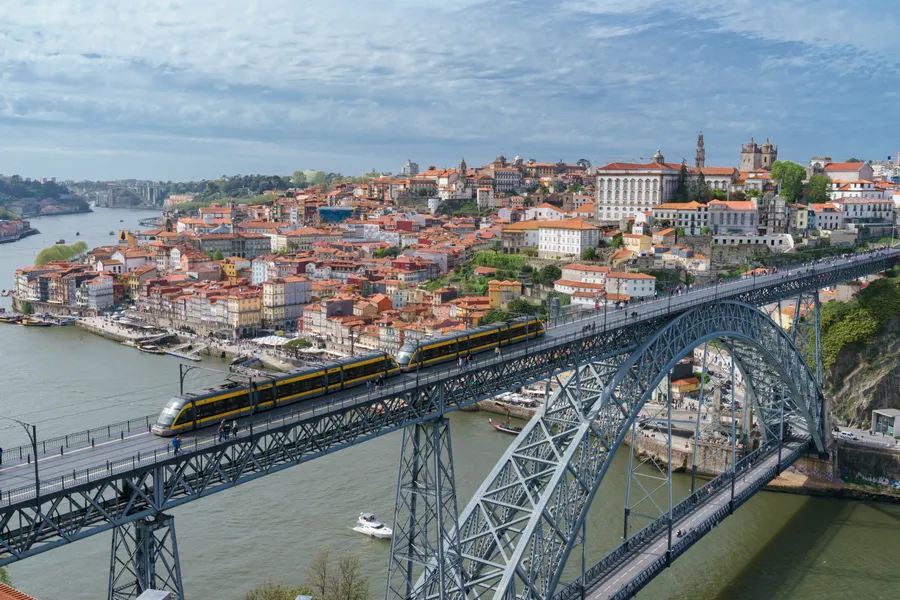
Porto is Portugal's second city, home to around 230,000 people in the city itself and close to 1.7 million across the metro area, stacked steeply above the river Douro near the Atlantic. It gave both the country and port wine their name, and its UNESCO-listed Ribeira waterfront still works for a living. The port lodges sit across the river in Vila Nova de Gaia, a short walk over the Dom Luís I bridge.
Whether you have a long weekend or longer, the sections below cover how to get around the hills, where to stay, where to eat and drink beyond the tourist strip, and how to spend your days from the Ribeira to the Douro Valley.