
Amalfi Coast
The Amalfi Coast: everything you need to know
The Amalfi Coast is a 50km stretch of cliff south of Naples where thirteen towns cling to the rock above the sea. It is smaller than people expect: from Positano to Vietri sul Mare is under an hour by road, and most of what you came for sits in about 20km of that coastline.
Two places everyone counts as part of the trip are not technically on the coast at all. Sorrento sits on the other side of the peninsula facing Naples, and Capri is an island offshore. Both belong in your plan. Neither is somewhere you can walk to.
Everything below opens when you tap it. Start with where to base yourself, because it is the decision the whole trip hangs on.
Two bases, one move. That is the sweet spot for five days. Sleep the first two nights in Sorrento and the last three in Amalfi. You change hotel exactly once, on day three, and the move itself is a ferry ride along the coast.
It works because each base is the easiest place to be for the days around it. Sorrento is where you arrive: the airport bus comes straight from Naples, the streets are flat enough to walk with a suitcase, and Capri is only 30 to 40 minutes away by boat. Amalfi is dead centre of the coast, so Positano and Ravello are both short hops, and ferries run in each direction.
Short on time? For three days, skip the move and stay in Amalfi the whole time. For a week, keep the same two bases and add days rather than hotels.
The trap is moving every night. Four hotels in five days means four mornings of packing, four timetables, and luggage on staircases built for donkeys. One move is a plan. Four is a chore.
If you would rather have a single base: make it Amalfi. Central, ferries both directions, a real town with a flat waterfront.
- Sorrento: easiest arrival and the best value. Not actually on the Amalfi Coast, which is why it works as the first half rather than the whole trip.
- Amalfi: the centre of everything. Busy midday when the tour boats land, quiet again by evening.
- Positano: the view you came for, the highest prices, and stairs everywhere. Wonderful for two nights, punishing as a base.
- Praiano: the value pick between Positano and Amalfi, and the best sunsets on the coast.
- Ravello: green, cool and quiet, but high above the sea. A beach day means going down and climbing back.
- Salerno: cheapest, a real city, direct trains to Rome. You stay for the logistics, not the looks.
May, June, September and early October are the sweet spot: ferries running, sea warm enough, towns busy without being unbearable.
July and August are hot, expensive and crowded, and the coast road becomes a slow-moving queue. Italians take their own holidays in August, so some family-run places close for a fortnight.
November to March is the real catch. The seasonal ferries stop, which is what most people miss when they book a winter trip. Without boats every journey is a twisting bus ride, and a good share of hotels and restaurants shut for the season. Beautiful and empty, but a different, slower trip.
Naples is the usual gateway. It has the airport, and the Circumvesuviana train runs to Sorrento in about an hour. Cheap, frequent and often crowded, so keep your bag on your lap. The direct airport bus to Sorrento is about 13 euros and takes roughly 75 minutes.
Salerno is the quieter door at the other end, and the smarter one from Rome: high-speed trains reach it in around two hours, and ferries leave from the town itself.
A private transfer from Naples airport runs roughly 80 to 120 euros for the car, which splits well between three or four people.
Do not drive. The SS163 coast road is a spectacular, knuckle-whitening cliff road, and in season it is a queue with a view. Parking is scarce and costs 5 euros an hour or more.
Ferries are how you should travel. Sorrento to Positano to Amalfi runs through the day, roughly April to October, at about 10 to 20 euros a hop. Positano to Amalfi is 20 minutes by boat against 50 on the bus. Direct ferries reach Capri from both Sorrento and Amalfi: go early, come back late.
Buses fill the gaps. The blue SITA buses link every town on the road for 2 to 3 euros and reach the villages boats skip. Ravello is inland and uphill, so it is bus or taxi from Amalfi, about 25 minutes. Buy tickets before boarding, at a bar or tabaccheria, and stamp them on board.
Taxis are plentiful and not cheap: 60 to 100 euros or more for a hop, fixed-price rather than metered, so agree it before you get in. Hiring a small boat for a half day is the one splurge worth making. The coast was built to be seen from the water.
Rough figures for one person, outside August:
- Ferry hop between towns: 10 to 20 euros each way
- Day return to Capri: roughly 45 to 60 euros
- Semi-private boat tour around Capri: 130 to 140 euros per person
- Two sunbeds and an umbrella: about 90 euros in Positano, 30 in Sorrento
- Lunch at a normal trattoria: 20 to 30 euros
- Dinner with a sea view: 45 to 80 euros
The free version of this coast is excellent, by the way. Fornillo and Marina Grande beaches cost nothing, the Path of the Gods is free, and the best hour of the day is a walk through Atrani at sunset.
The Amalfi Coast route on a map
Loading map…
The Amalfi Coast route, town by town
SorrentoCapri
Ferry or boat to Capri
Day 2, go early
Book this connectionCapri boat tour with Blue Grotto
Departs Sorrento
Book this connection
CapriSorrento
Late ferry back to Sorrento
You sleep in Sorrento again, the same room as last night
Book this connection
Day 3SorrentoAmalfi
Sorrento to Amalfi
With your luggage. The only time on the whole trip you change hotel
Book this connection
AmalfiPositano
Ferry to Positano
Day 4, about 20 minutes
Book this connectionCoast boat tour with caves and snorkelling
Departs Amalfi
Book this connection
PositanoAmalfi
Ferry back to Amalfi
Same bed, no packing
Book this connection
Day 5AmalfiRavello
Bus or taxi up to Ravello
About 25 minutes uphill from Amalfi. No ferry goes there
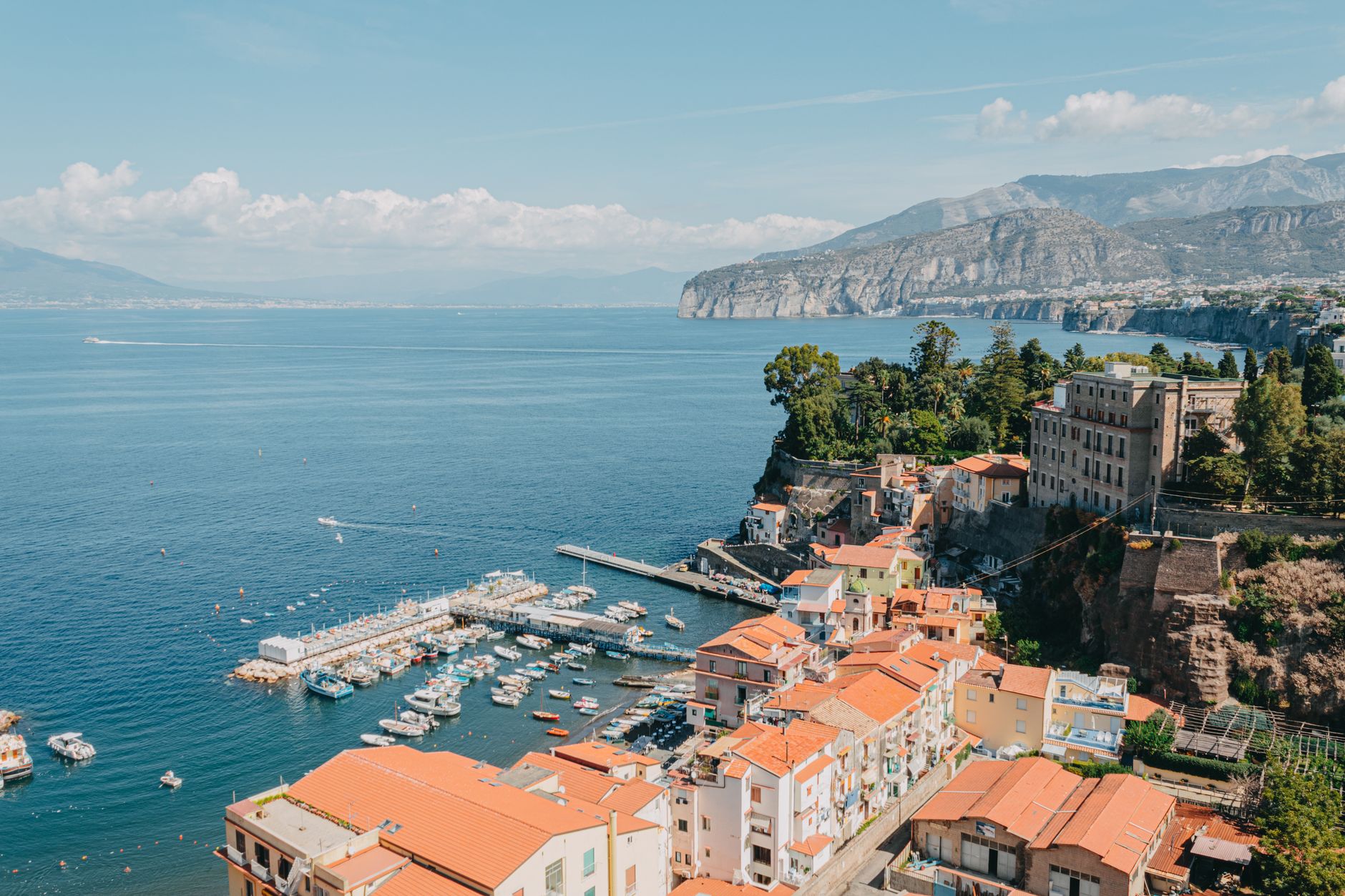


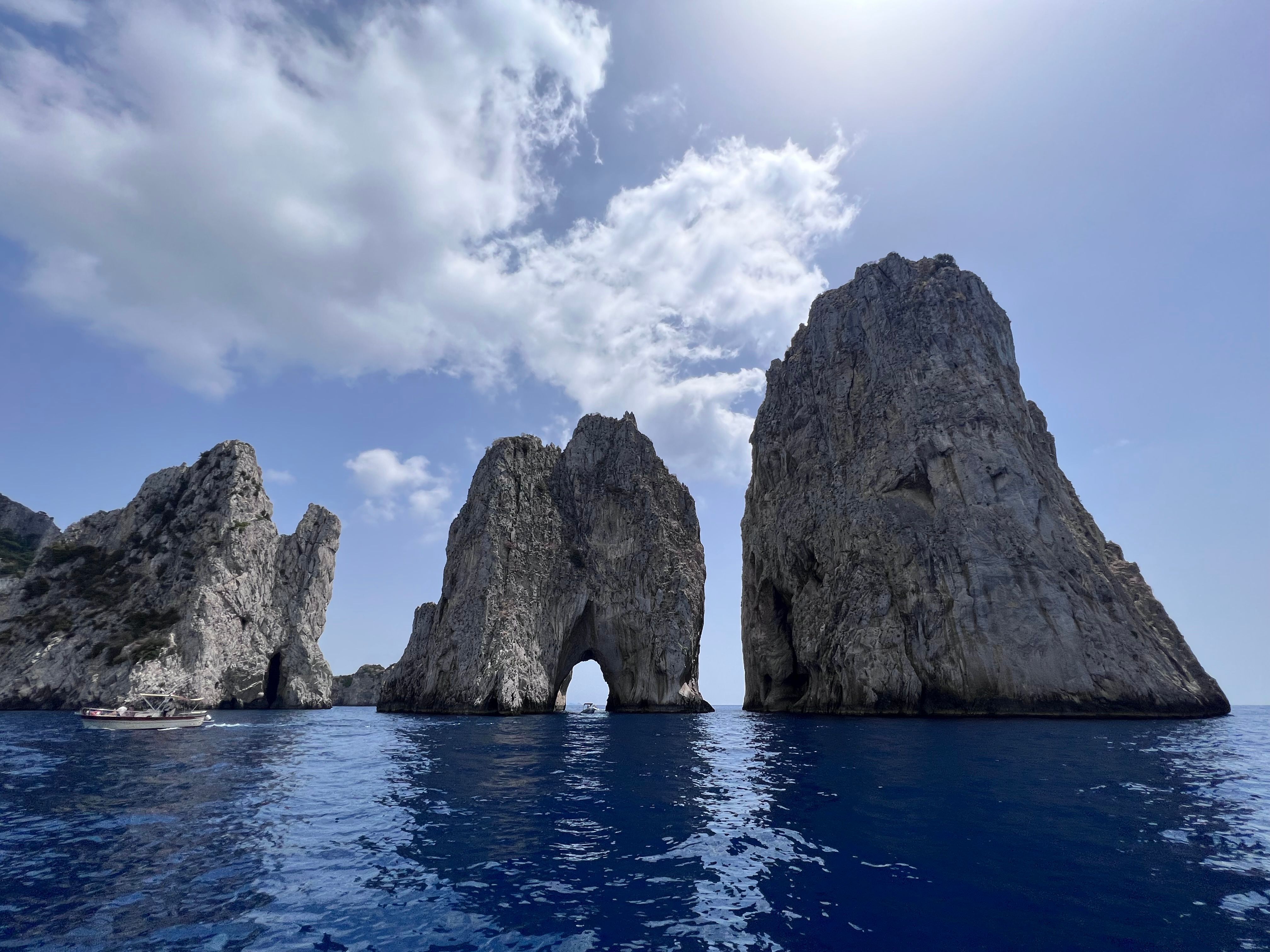


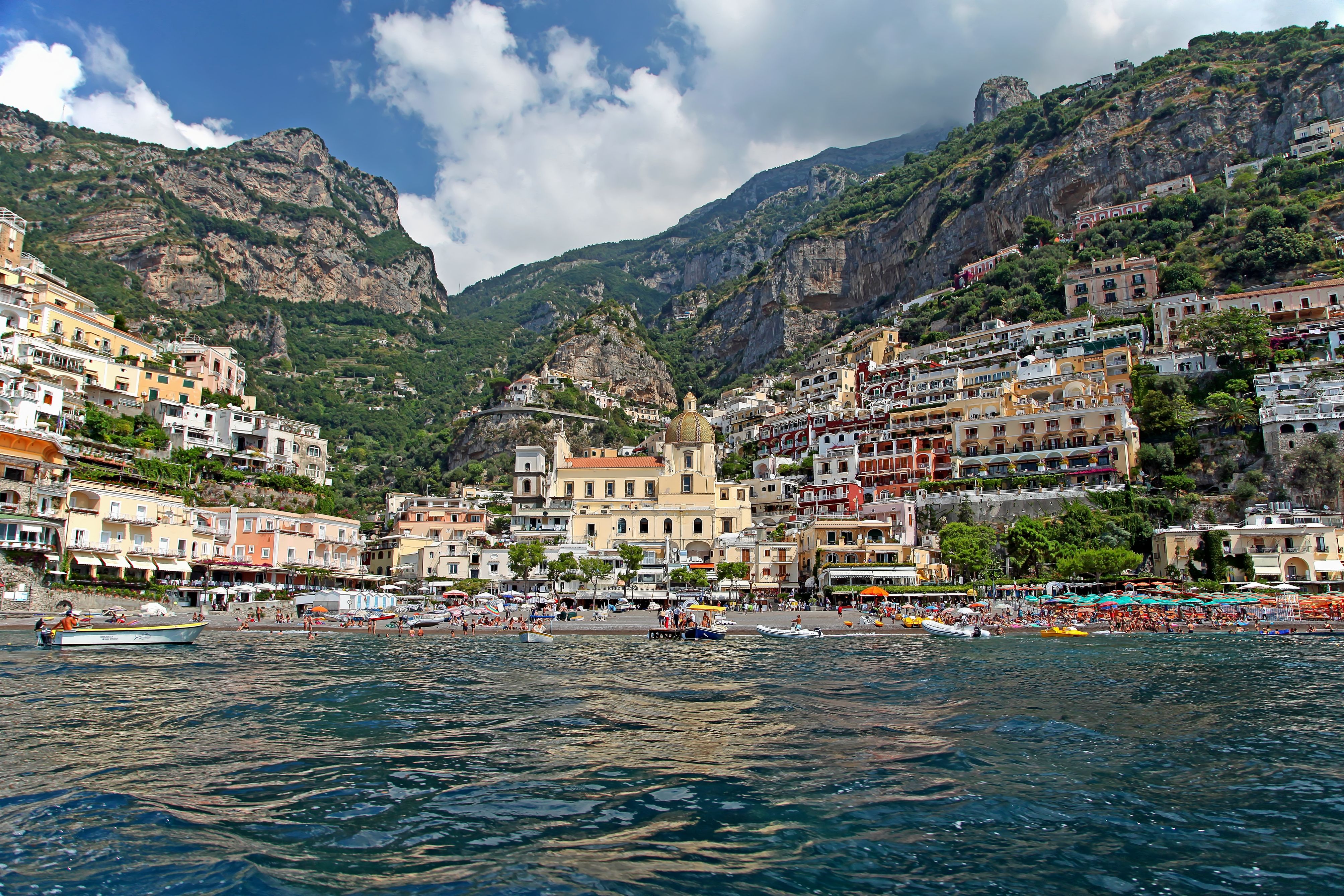
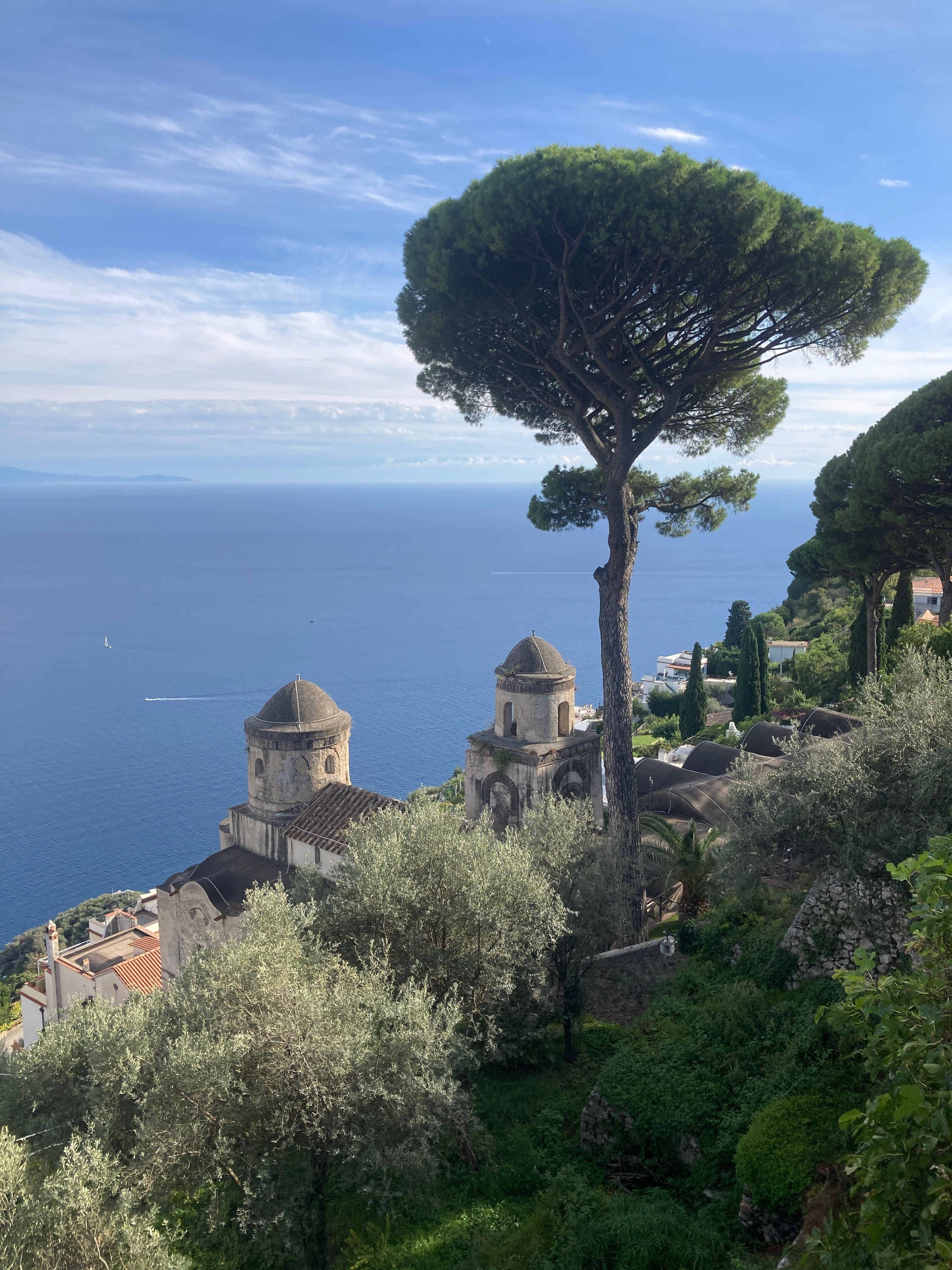
The plan on this page: two bases, one move. Sorrento for two nights, then Amalfi for three. Day one Sorrento, day two Capri by boat, day three you move and spend the afternoon in Amalfi, day four Positano, day five Ravello and home. Every day after the move is a there-and-back trip from a room you have already unpacked in.
The simpler version: one base. Stay in Amalfi all five nights and reach everything by ferry. You never pack, but you miss Sorrento and the Capri day is longer from further down the coast. This is the better choice for three days, or if you are travelling with heavy luggage or someone who tires easily.
The version to avoid: a different town every night. It looks romantic written down and it is a logistics job in practice.
The lemons here are the giant knobbly sfusato amalfitano, and they end up in everything: limoncello, the delizia al limone dessert, even the salad. Lemon sorbet served inside a hollowed-out lemon costs about 10 euros in Amalfi and is worth it once.
Scialatielli ai frutti di mare is the local pasta, thicker and shorter than tagliatelle. In Cetara, look for colatura di alici, an anchovy sauce descended from Roman garum, served simply over spaghetti.
Buy mozzarella di bufala inland rather than on the seafront, and never buy limoncello at the first shop by the ferry dock.
- Renting a car. Narrow road, wide buses, scarce parking. Take the ferry.
- Changing hotel every night. The single biggest one.
- Coming in August. Hot, full, and the road barely moves.
- Day-tripping Capri from Naples. You arrive with everyone else and leave before the island gets good.
- Booking Positano with a heavy suitcase. Check how many steps sit between the road and your room. Sometimes it is two hundred.
- Assuming the ferries run all year. They do not.
Common questions
Five is the sweet spot: enough for Amalfi, Positano, Ravello and a full day on Capri without rushing. Three days still works well if you base yourself in Amalfi and skip Capri. With seven you can add Pompeii and a day on a hired boat, which is when the coast really opens up.
Naples airport (NAP) is the gateway. Low-cost airlines fly in from most of Europe, and there are direct flights from New York, Newark, Atlanta, Philadelphia and Chicago. From the airport you carry on by bus, train or transfer. Coming from Rome, take the high-speed train to Naples or Salerno instead of flying.
The direct airport bus, at roughly 13 euros for about 75 minutes. It is modern and air-conditioned, and it beats dragging luggage onto the Circumvesuviana train. A private transfer is far more comfortable at around 80 to 120 euros for the car, which is reasonable split between three or four people.
No. The coast road is narrow and slow, the buses take the corners wide, and parking is scarce and expensive. Everything worth reaching is reachable by ferry or bus, and the ferry is the nicer journey anyway. Rent a car only if you are staying inland.
Roughly 10 to 20 euros for a single hop between towns. Positano to Amalfi takes about 20 minutes by boat, against 50 minutes on the bus for the same trip. Buy at the dock on the day, and check the timetable the night before because boats cancel in rough sea.
The blue SITA buses cost about 2 to 3 euros a ride, so roughly 2.40 euros from Sorrento to Positano. The bus wins when the ferries have stopped for the season, when the sea is rough, and for anywhere boats do not reach, which above all means Ravello. Buy your ticket before you board, at a bar or tabaccheria, and stamp it on board.
Expect 60 to 100 euros or more for a one-way hop, and agree the fare before you get in: most coast runs are fixed-price rather than metered. It is worth it late at night or with heavy luggage, and hard to justify in daylight when the ferry costs 15.
In Positano, budget around 90 euros for two sunbeds and an umbrella at a good spot on Spiaggia Grande. Sorrento is gentler at about 30 euros for two chairs on the wooden platforms over the water, and Vico Equense around 50. The free beaches are genuinely good, so this is a treat rather than a requirement: Fornillo in Positano and Marina Grande in Amalfi cost nothing.
May, June, September and early October. The ferries are running, the sea is warm enough, and the towns are busy without being unbearable. August is the one to avoid: hot, expensive, and the coast road barely moves.
No, and this is the detail that catches people out. The seasonal boats run roughly April to October. Book a winter trip and every journey becomes a twisting bus ride, with a good share of hotels and restaurants closed for the season.
Yes, if you go early. It is about 30 to 40 minutes by boat from Sorrento, and the island fills up by midday and empties again late afternoon. A semi-private boat tour around the island with swimming stops runs roughly 130 to 140 euros per person and is the best version of the day. Otherwise take the first ferry, walk up to the Gardens of Augustus, and stay for the late boat home.
Via Cristoforo Colombo, around number 44, looking down over the town to the dome and the sea. Go before about nine in the morning: later on there is a queue for the same three metres of railing.
By bus or taxi from Amalfi, around 25 minutes uphill. Ravello sits inland and high above the water, so no ferry goes there. Go for Villa Rufolo and Villa Cimbrone's Terrace of Infinity, and go in the morning if you want them quiet.
Lemon sorbet served inside a hollowed-out lemon, about 10 euros in Amalfi and worth it once. Scialatielli ai frutti di mare is the local pasta. Delizia al limone is the dessert. In Cetara, look for colatura di alici, an anchovy sauce descended from Roman garum. Buy your limoncello anywhere except the first shop by the ferry dock.
Booking a different hotel every night. The coast tempts you into it, and then you spend the trip packing, checking timetables and hauling suitcases up staircases built for donkeys. Pick one town, sleep there the whole trip, and let the ferries do the moving.