 Vitor
VitorThe Complete Verona Travel Guide
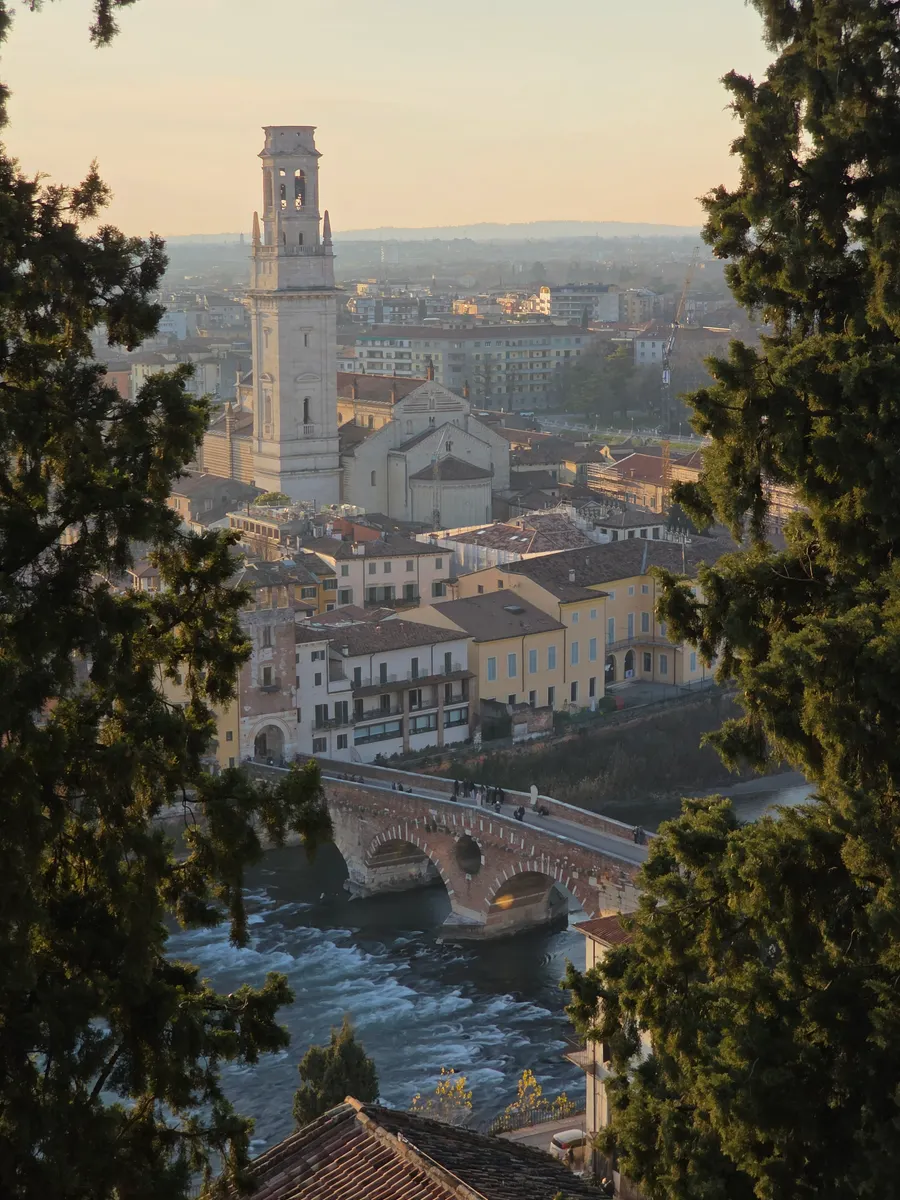
The balcony is fake. In the 1930s the city picked a house on Via Cappello, bolted on a fourteenth-century-style balcony and let the world come. Go anyway, it is good fun. But the real reason to be here is a Roman arena older than the Colosseum that still fills for opera on summer nights, and a market square that has been the centre of town for two thousand years.
How to use this guide: the tabs at the top move you between itineraries, places to see, restaurants, hotels, experiences and day trips. On any tab, open the map for a much clearer picture of where things sit and how Verona fits together between the arena, Piazza delle Erbe and the river Adige. On your phone, tap Get the App (or add this page to your home screen) so the whole guide is one tap away. Short on time? Jump to the ⚡ Quick Facts below.
About Verona: Everything You Need to Know Before You Go
This complete Verona travel guide covers getting around on foot, arriving by train from Venice or Milan, how to book the summer opera festival at the arena, where to eat away from the Juliet crowds, the best of Piazza delle Erbe, day trips to Lake Garda, and the money-saving tips most day-trippers miss. Whether you are here for the opera, the Roman ruins, or a slow weekend of Valpolicella, bookmark this page before you go.
Verona sits on a bend of the river Adige in the Veneto, with around 260,000 residents and a UNESCO-listed centre. Its arena was built in the first century AD, which makes it older than the Colosseum, seats roughly 15,000 people and is still in use: every summer from late June it hosts one of the great opera festivals, performed under the open sky. Shakespeare, for the record, never set foot in the city.
Whether you have a day or a long weekend, the sections below cover how to get around on foot, where to stay, where to eat properly, and how to plan around the opera season and the Lake Garda day trip.