 Vitor
VitorLa Guía Completa de Prague
Una breve nota antes de entrar en materia: Praga es casi injustamente hermosa, un cuento de hadas gótico y barroco que escapó prácticamente intacto de las bombas de la Segunda Guerra Mundial. El truco está en saber cómo esquivar las multitudes del Puente de Carlos y descubrir la ciudad auténtica: los pubs a orillas del río, los patios ocultos, la mejor (y más barata) cerveza del mundo. Esta guía es el recurso local que te ayuda precisamente a eso.
A continuación: dónde alojarse, los mejores restaurantes y cervecerías, nuestros lugares de interés imprescindibles + joyas ocultas, y todo sobre transporte, dinero (¡NO es el euro!), idioma y cosas que hacer gratis.
Por qué visitar Praga
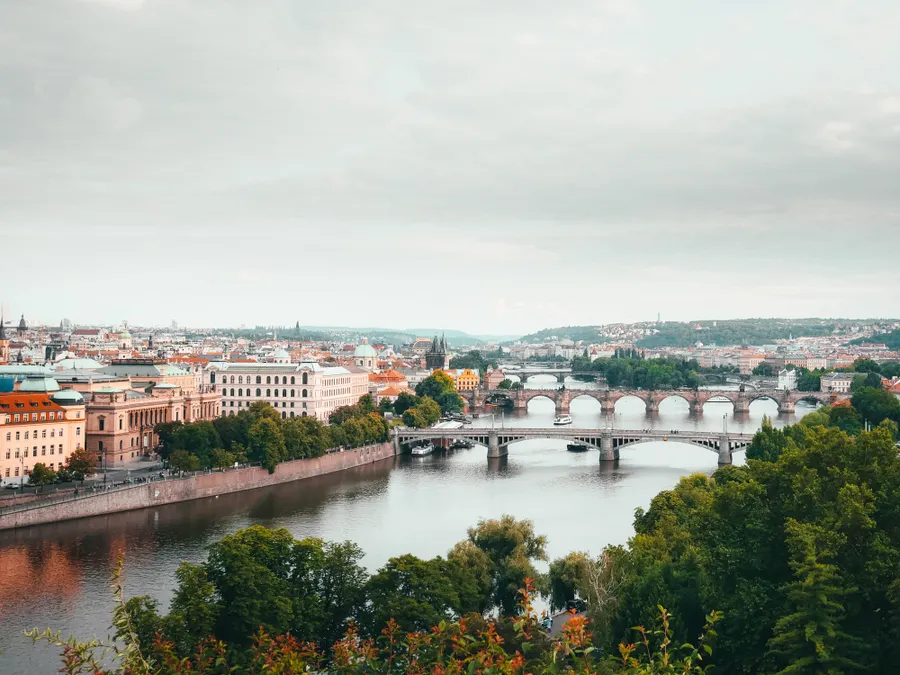
Pocas ciudades son tan fáciles de recorrer a pie y tan fotogénicas. En un centro compacto se encuentran el Castillo de Praga (el complejo de castillos antiguos más grande del mundo), el puente medieval de Carlos, el Reloj Astronómico, iglesias barrocas, cafés de estilo Art Nouveau y una legendaria cultura de bares: los checos beben más cerveza per cápita que nadie en el mundo, y es excelente. Además, es sorprendentemente asequible para ser Europa Occidental.
La mejor época para visitar Praga
La primavera (abril-junio) y el otoño (septiembre-octubre) son las mejores épocas: el clima es suave, el paisaje es bonito y hay (ligeramente) menos gente. Diciembre es mágico por los mercados navideños, pero hace frío y hay mucha gente. De julio a agosto hace calor y está abarrotado; de enero a febrero hace mucho frío, es barato y tiene mucho ambiente, con poca gente.
Cuántos días en Praga
2 días: la Plaza de la Ciudad Vieja y el reloj, el Puente de Carlos, el Castillo de Praga y la catedral de San Vito, y una cerveza a orillas del río. 3-4 días (recomendado): añade el Barrio Judío, la colina de Petřín, Vyšehrad, la Ciudad Nueva y la oferta gastronómica de Vinohrady, y unas horas simplemente para pasear. 5 días o más: excursiones de un día a Kutná Hora (la iglesia de los huesos) o Český Krumlov.
Dónde alojarse en Praga (los mejores barrios)
Ciudad Vieja (Staré Město): en pleno centro de todo; bonito, pero concurrido y más caro. Malá Strana: encanto barroco a los pies del castillo, romántico y más tranquilo. Ciudad Nueva (Nové Město): céntrico, cerca de la plaza de Wenceslao, buena relación calidad-precio. Vinohrady: frondoso, local, con las mejores cafeterías y restaurantes. Žižkov / Karlín: moderno, más barato, gran vida nocturna y bistros.